Healthy city
Compact places work best when safe, space-efficient transportation receives the greatest priority.
Track the politics, science, disasters, and corporate actions as humanity reacts to the climate crisis.
Track how major technology companies change their products and services over time, with a focus on platform restrictions, commercialization, privacy, digital ownership, surveillance, and user control.
Healthy city
Compact places work best when safe, space-efficient transportation receives the greatest priority.
Unhealthy city
Car-first planning leaves walking, transit, and cycling with less space, safety, and investment.
Outside cities
Rural and low-density areas need stronger support for longer-distance travel, regional connections, essential services, and private vehicles.
Frequent destinations should be reachable in at most 15 minutes.
Travel priority
Cars can still access these places, but routine errands should not depend on driving.
Large or infrequent destinations can be farther away, but should remain easy to reach across the city or region.
Travel priority
Longer trips make car access more important, while transit and other connections remain essential.
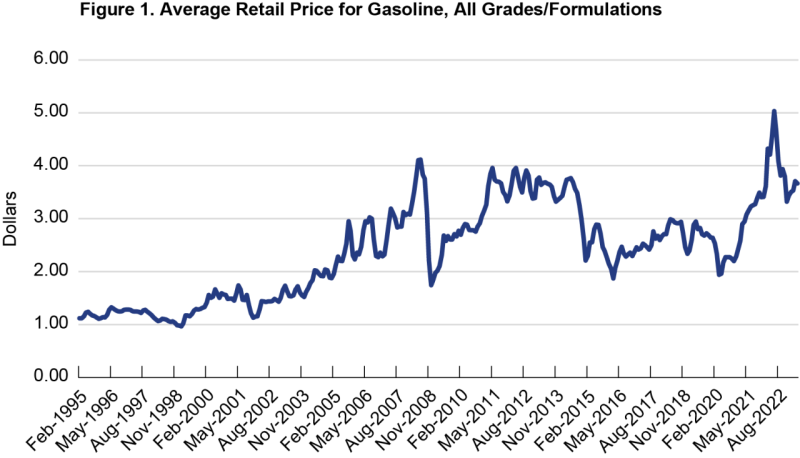
Bureau of Transportation Statistics
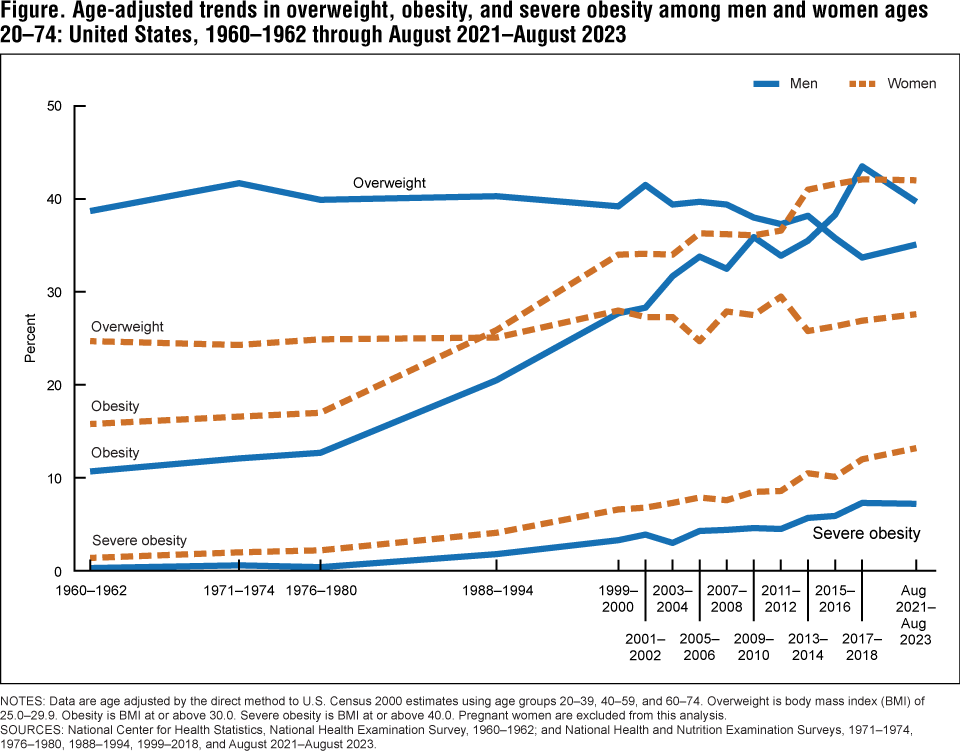
CDC / National Center for Health Statistics
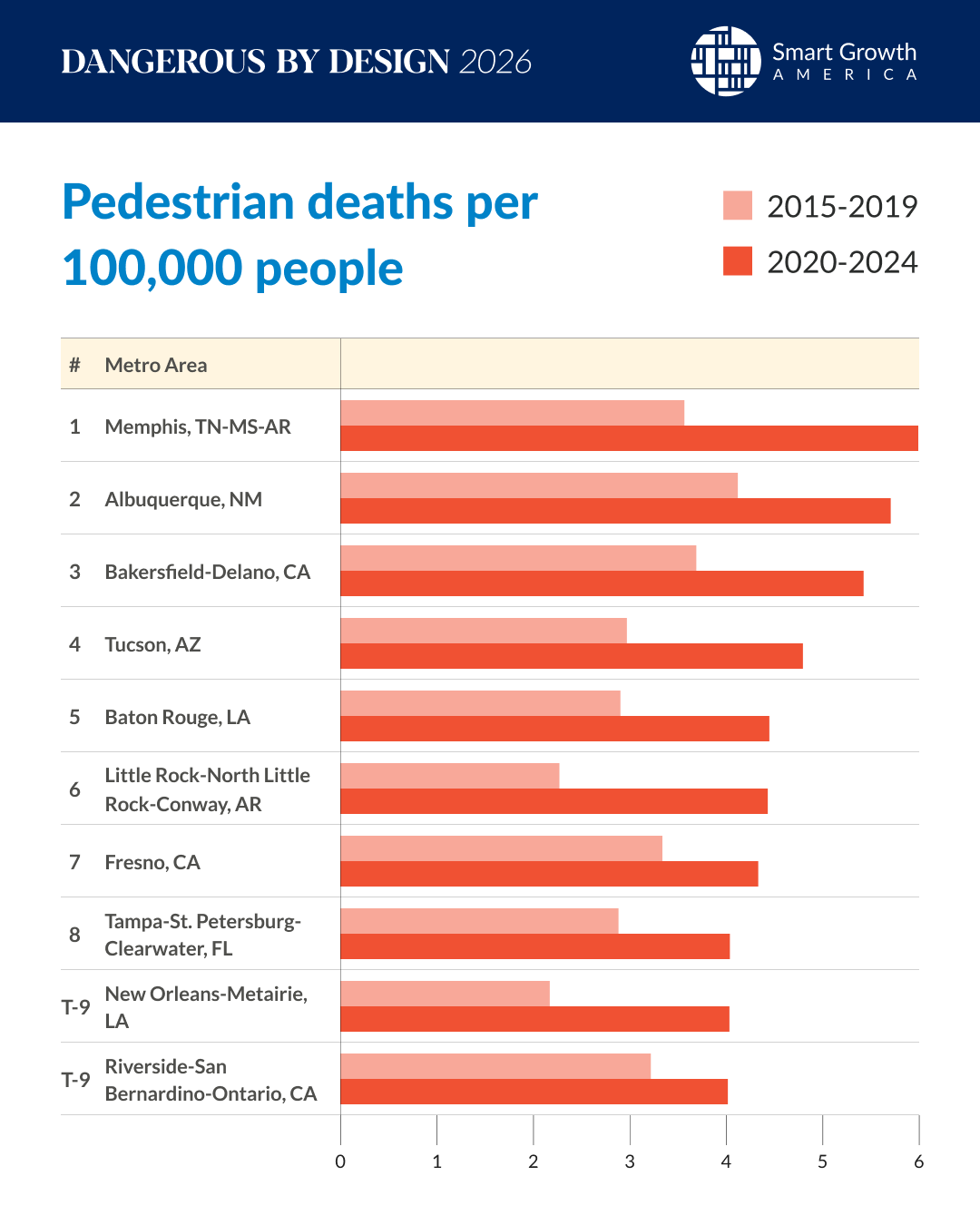
Smart Growth America, using NHTSA FARS data
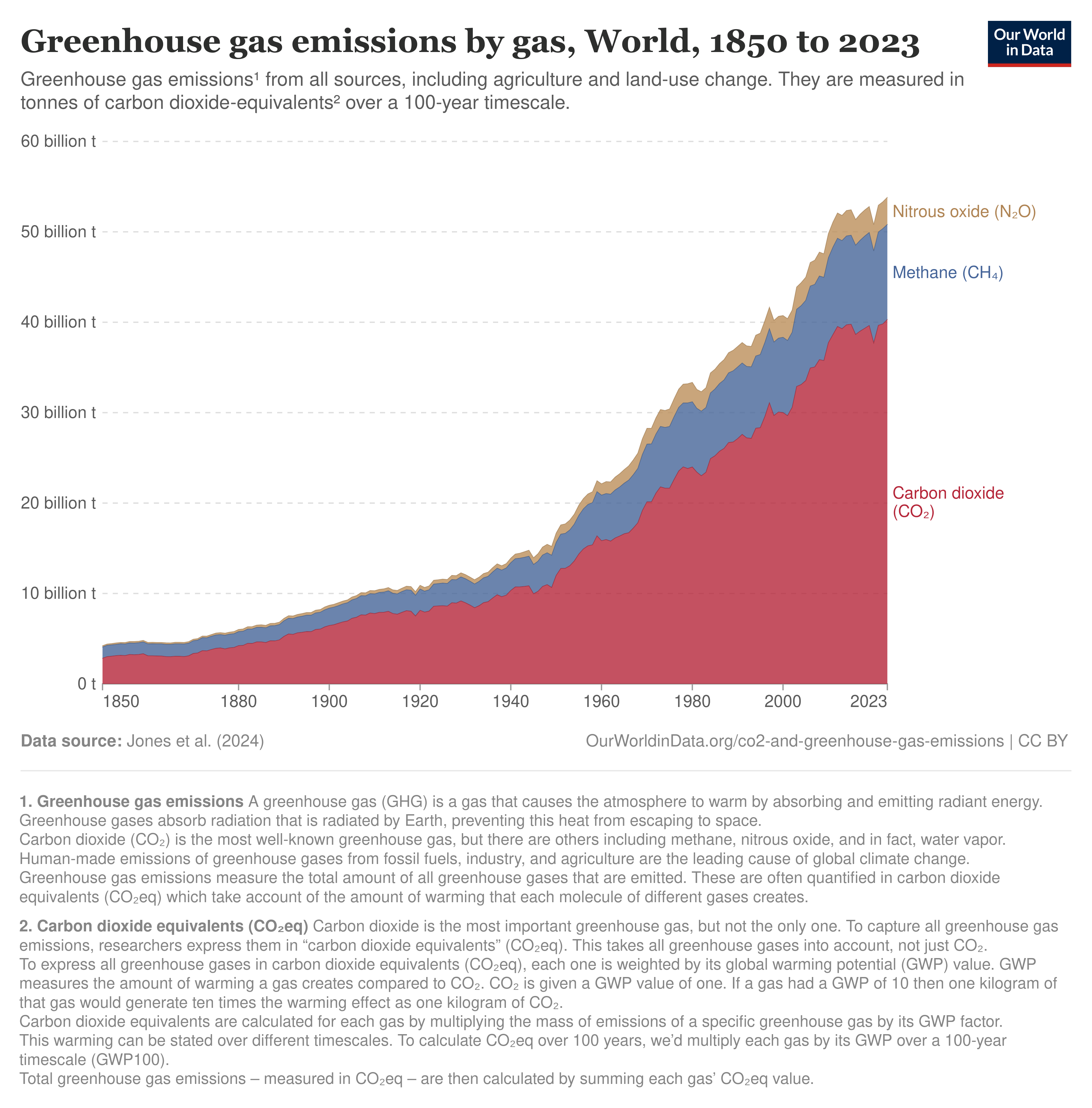
Our World in Data / Jones et al. (2024)
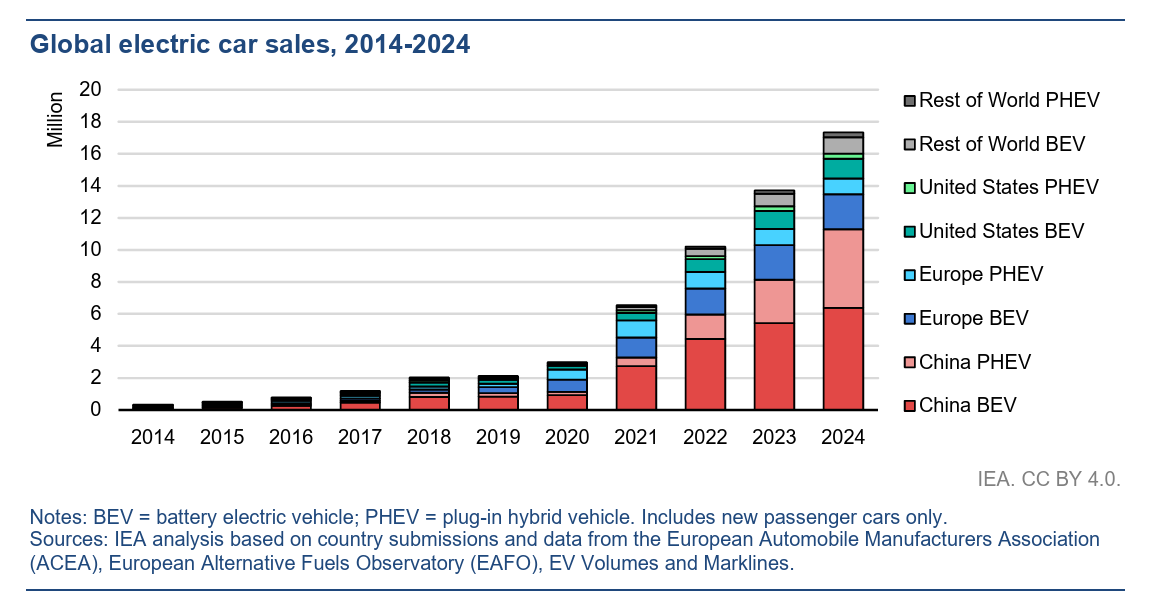
International Energy Agency
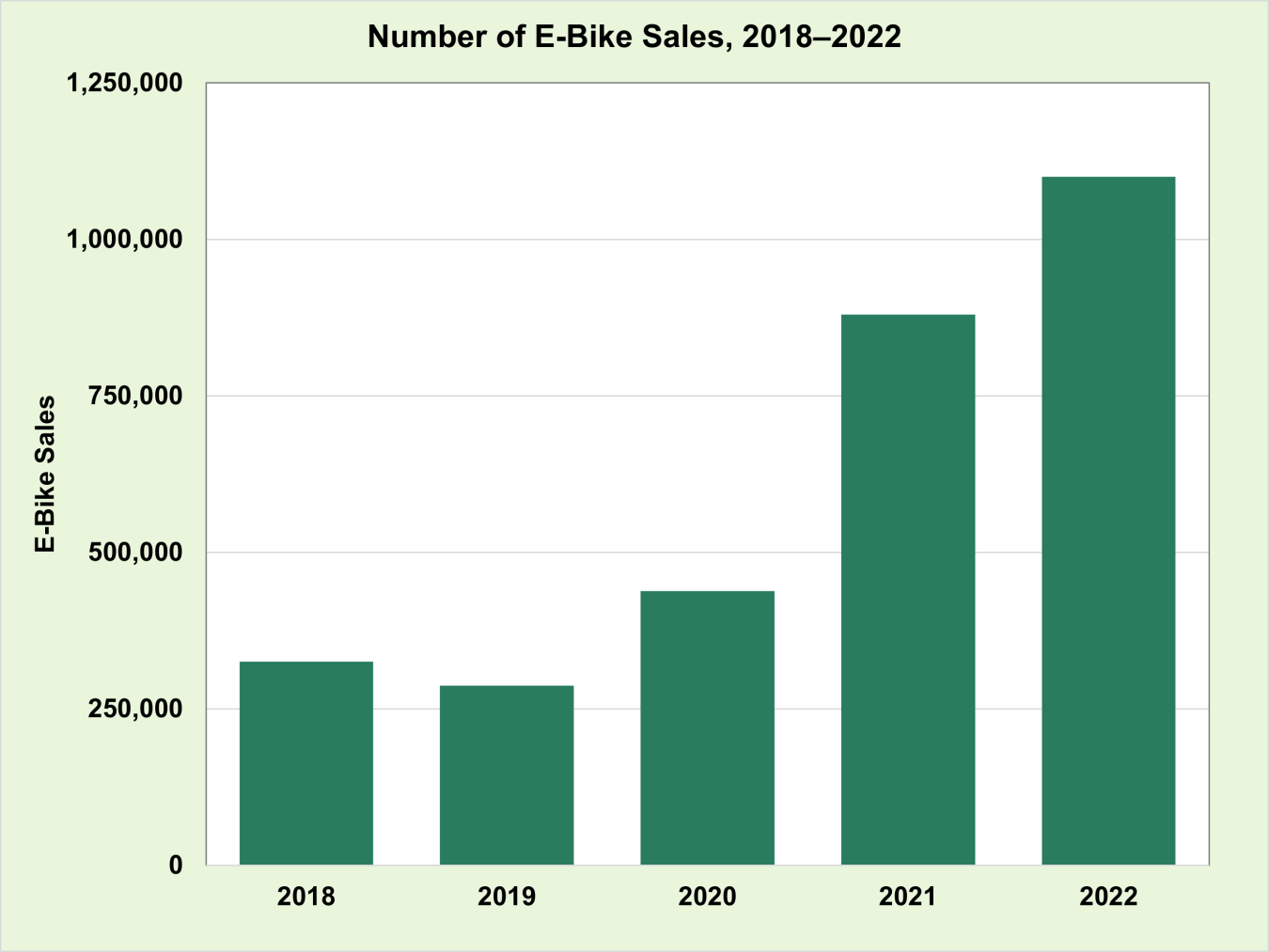
U.S. Department of Energy
| Level | Place affected | Policy | What it does | Status | |
|---|---|---|---|---|---|
| Federal | Nationwide | 2025 |
BUILD grant program replaces/reframes RAISE
Source: FHWA |
Reframed the federal discretionary surface transportation grant program formerly known as RAISE, shaping which local and regional infrastructure projects are prioritized for federal funding. | Implemented |
| Federal | Nationwide | 2025 |
Safe Streets and Roads for All FY2025 funding
Source: U.S. DOT |
Made federal safety funding available to local, regional, and Tribal applicants for projects and plans aimed at preventing roadway deaths and serious injuries. | Implemented |
| Federal | California | 2025 |
Federal termination of California high-speed rail funding
Source: U.S. DOT |
Terminated approximately $4 billion in unspent federal funding for California high-speed rail, escalating a major federal-state conflict over intercity rail investment. | Withdrawn |
| Federal | Nationwide | 2025 |
DOT removes Biden-era DEI and climate grant requirements
Source: U.S. DOT |
Removed Biden-era DEI and climate-related requirements from federal transportation funding compliance, changing how some grant recipients justify and administer projects. | Implemented |
| Federal | New York City | 2025 |
U.S. DOT terminates federal approval for NYC congestion pricing
Source: U.S. DOT |
Terminated federal approval for New York City’s cordon pricing program, creating a major dispute over congestion pricing, transit funding, car access, and local transportation authority. | Delayed |
| Federal | Nationwide | 2025 |
U.S. DOT review of inherited unsigned grants
Source: U.S. DOT |
Reviewed thousands of previously announced but unobligated transportation grants, approving some while leaving others delayed, revised, or subject to cancellation. | Under review |
| Federal | Nationwide | 2025 |
Pullback of selected bike, trail, and pedestrian grants
Source: Associated Press |
Withdrew selected grants for trails, bike lanes, pedestrian-safety, and road-diet-related projects that federal officials viewed as inconsistent with road-capacity priorities. | Withdrawn |
| State | New York | 2025 |
Complete Streets funding and S1832
Source: NY Senate |
Expanded Complete Streets funding support and proposed regular updates to the state bicycle and pedestrian plan. | Proposed |
| State | California | 2024 |
SB 960
Source: California Legislature |
Requires applicable Caltrans highway projects to include walking, cycling, and transit-priority improvements. | Adopted |
| State | Illinois | 2025 |
Complete Streets law and SB 899
Source: Illinois Public Act 095-0665 Source: Illinois Senate |
Supports Complete Streets and gives communities more flexibility to design safer intersections instead of prioritizing wide truck turns. | Adopted |
| State | Texas | 2025 |
Road-narrowing restriction bill
Source: Texas Legislature |
Would have limited cities’ ability to narrow roads for wider sidewalks, bike lanes, or bus lanes. | Delayed |
| State | Arizona | 2024 |
Active Transportation Safety Action Plan
Source: ADOT |
Sets a statewide plan to reduce serious and fatal pedestrian and bicyclist crashes on the State Highway System. | Adopted |
| State | Pennsylvania | 2025 |
HB 291 and SB 824
Source: PA House Source: PA Senate |
Moves toward legalizing parking-protected bike lanes, including changes affecting state-owned roads. | Proposed |